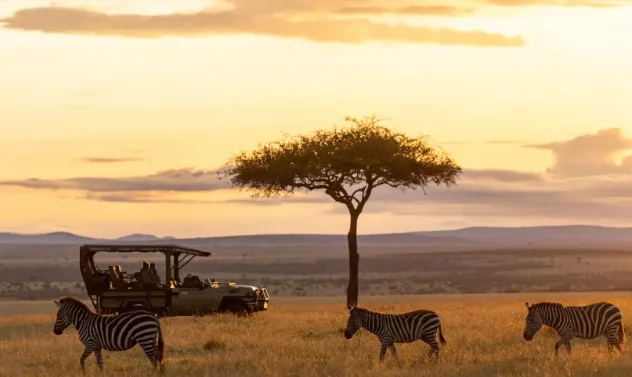
You do not need expensive gear to take good safari photos. A phone or a basic camera, used with patience and good light, can produce memorable images, and this guide shares practical habits for doing so.
Use the Gear You Already Own
Your smartphone is a surprisingly capable safari tool. Modern phones offer sharp sensors, quick autofocus, and useful zoom modes that handle animals at moderate distances. Clean your lens before each game drive, since dust and fingerprints soften images quickly. Turn on gridlines to balance your composition, and lock focus by tapping the animal. If you own an older compact or bridge camera, bring it too, because many have generous zoom ranges. Remember that a steady hand and a good eye matter far more than megapixels or brand names.
Work with Light at Sunrise and Sunset
Light shapes every photograph, and the savanna offers its best at dawn and dusk. During these golden hours, the sun sits low, casting warm tones and soft shadows across animals and grass. Midday sun is harsh and flattens detail, so use that time to rest or photograph shaded subjects. Position yourself with the sun behind you for even lighting, or shoot toward it for dramatic silhouettes. Early morning also brings active animals, mist, and fewer vehicles, which means better opportunities and more peaceful, uncluttered scenes for your camera.
Plan Your Shots on a Big Five Journey
Choosing the right trip makes photography easier, and a well-guided Kenya Big Five safari tour gives you the best chance to photograph lions, leopards, elephants, buffalo, and rhinos in one journey. Experienced guides know where animals rest, hunt, and drink, and they position vehicles for clean angles. Share your photography goals with your driver at the start so that they can adjust speed and stops. Small groups also help, because everyone gets a window seat and enough time. Good planning turns luck into repeatable results, even with simple equipment.
Master Composition and Patience
Strong composition separates ordinary snapshots from memorable wildlife photographs. Get the animal’s eyes sharp, since eyes create connection and emotion. Use the rule of thirds, leaving space in front of a moving subject so the image feels balanced. Include context, such as an acacia tree or distant hills, to show habitat. Patience is equally important, because animals rarely perform on command. Wait quietly through yawns, stretches, and interactions, and keep your finger ready on the shutter. Burst mode helps capture fleeting action, letting you choose the best frame later.
Photograph More Than Animals
Wildlife is only part of the story, and the many tourist attractions in Kenya offer rich subjects beyond the animals themselves. Think of the Great Rift Valley escarpment, flamingos on Lake Nakuru, Maasai cultural villages, and Mount Kenya’s distant snow. Landscapes and people add variety to your collection and help tell a complete travel story. Ask permission before photographing individuals, and respect local customs. Wide shots with your phone work beautifully for scenery, while portraits and small details, like beadwork or footprints, give your album depth and personality.
Respect Wildlife and Edit Wisely
Ethical photography always puts animals first. Keep your voice low, never leave the vehicle unless your guide allows it, and avoid flash, which can startle and stress wildlife. Never ask drivers to approach too closely for a better frame. Once you return, simple editing improves results without costly software. Free apps let you adjust brightness, contrast, and crop, but keep changes natural. Straighten horizons, remove distracting edges, and sort your images ruthlessly, sharing only the strongest. Honest, respectful photographs carry more value than any dramatic filter.
Taking Better Photos
Good photos come from light, patience, and respect for the animals rather than expensive equipment. Practice with the camera you already carry, and let the best moments come to you.